Dog Anxiety Signs Every Owner Misses (Yes, Even Yours)
 PAHI Care Team
·
August 30, 2026
·
2 min read
PAHI Care Team
·
August 30, 2026
·
2 min read
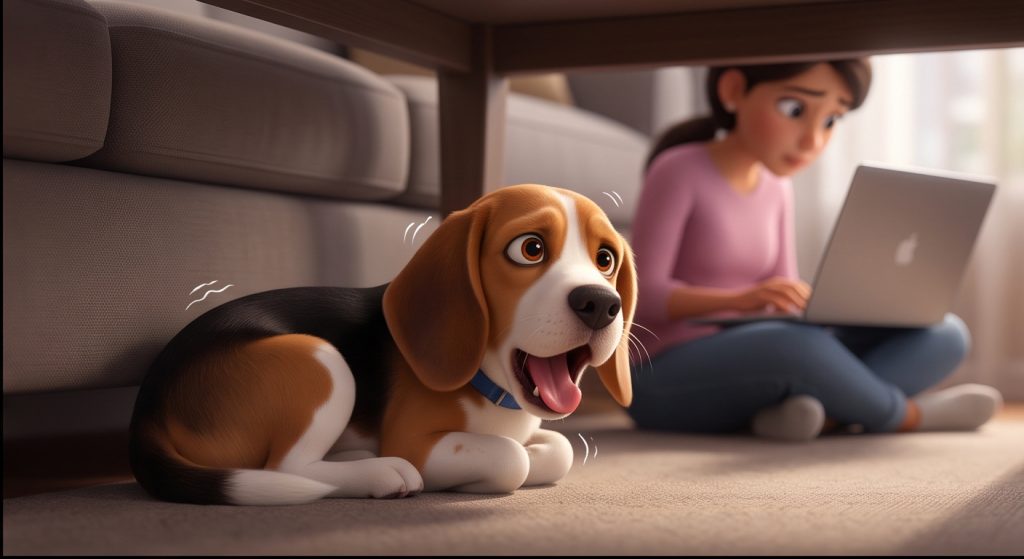
Here’s an uncomfortable truth: most dog anxiety signs don’t look dramatic. There’s no siren, no obvious meltdown — just a lip lick here, a yawn there, a head turned slightly away. Vets estimate that 20-25% of dogs show real fearfulness around new people, animals, or situations, and most owners simply never clock it until it’s escalated. If your dog has ever “just seemed a little off” for no reason you could name, keep reading.
The subtle signs that don’t look like anxiety at all
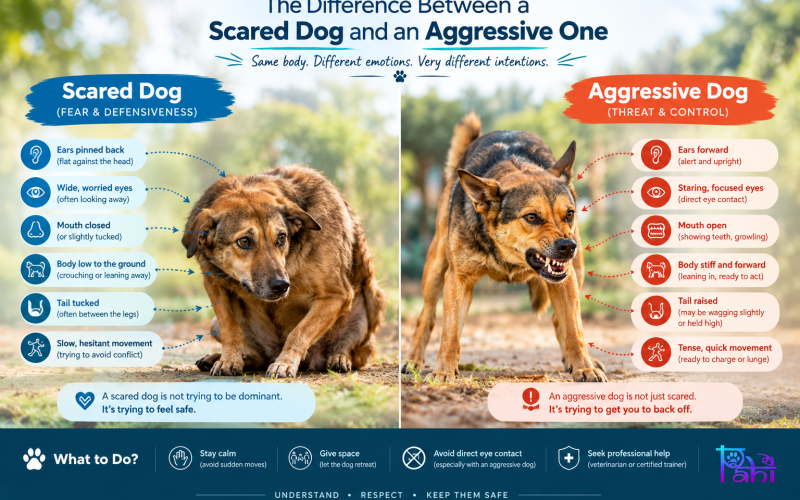
Mild stress in dogs is quiet. It shows up as licking lips with no food around, prolonged yawning that has nothing to do with being tired, avoiding eye contact, or turning the head away from something (or someone) that’s making them uneasy. Add in ears pinned slightly back, a furrowed brow, fidgeting, or suddenly refusing a treat they’d normally inhale, and you’ve got a dog who’s telling you something in a language most of us were never taught to read.
When it escalates, the body doesn’t lie
Left unaddressed, mild stress can tip into something more visible: a tucked tail, pacing, panting with zero exercise involved, trembling, or the whites of the eyes showing more than usual (vets call this “whale eye”). Some dogs shed heavily in stressful moments — vet clinics are notorious for this. Others regress on house-training, get destructive, or develop repetitive habits like spinning or tail-chasing. None of this is “bad behavior.” It’s a nervous system asking for help.
What actually helps
First, believe the signs instead of waiting for a full-blown episode. Note the pattern — is it thunderstorms, strangers, being left alone, the vacuum? Give your dog an exit route from whatever’s triggering them rather than forcing them to “get over it.” And if you’re not around all day to catch the early cues yourself, that’s exactly the gap tech can fill: PAHI’s Dotty AI is built to flag behavior changes — restlessness, pacing, unusual stillness — before they turn into a full anxiety spiral, so you’re not finding out after the fact.
Anxiety in dogs is common, manageable, and — most importantly — visible if you know what you’re looking for. Your dog’s already telling you. The question is whether you’re catching it early enough to help.