Cheap GPS Pet Tracker Problems: The Hidden Cost (And What Breaks First)
 Mallika Chatterjee
·
October 18, 2026
·
3 min read
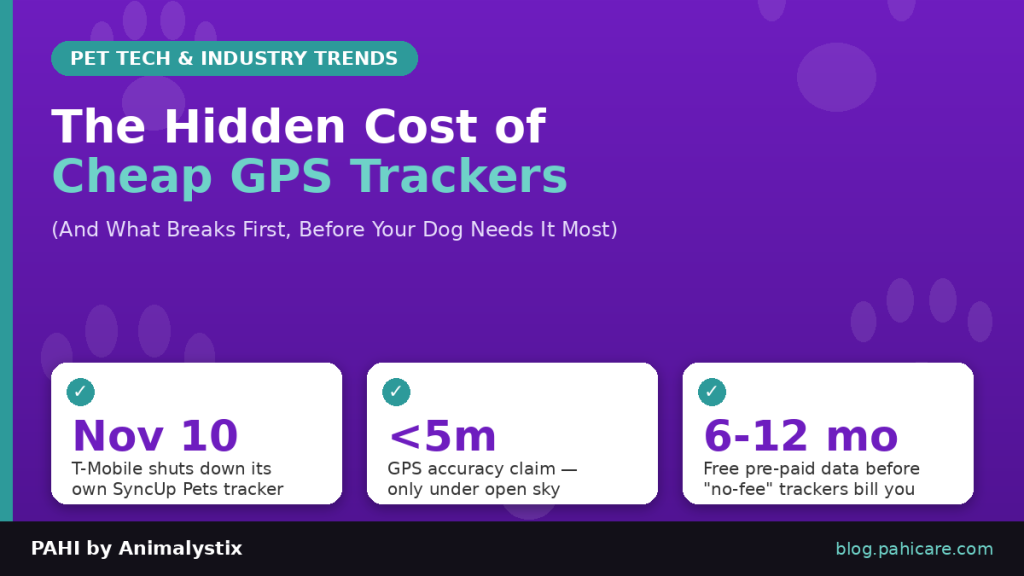
On November 10, T-Mobile is pulling the plug on SyncUp Pets, its own GPS pet tracker, for good. No hardware failure, no dead battery — the carrier just decided to shut down the network the device runs on, and every unit goes dark overnight. If you’ve ever searched “cheap GPS pet tracker problems” while your dog’s collar blinked uselessly in the yard, this is basically that fear come true, and it’s exactly why budget trackers deserve a closer look before you buy one.
Why Cheap GPS Trackers Die Before Your Pet Needs Them
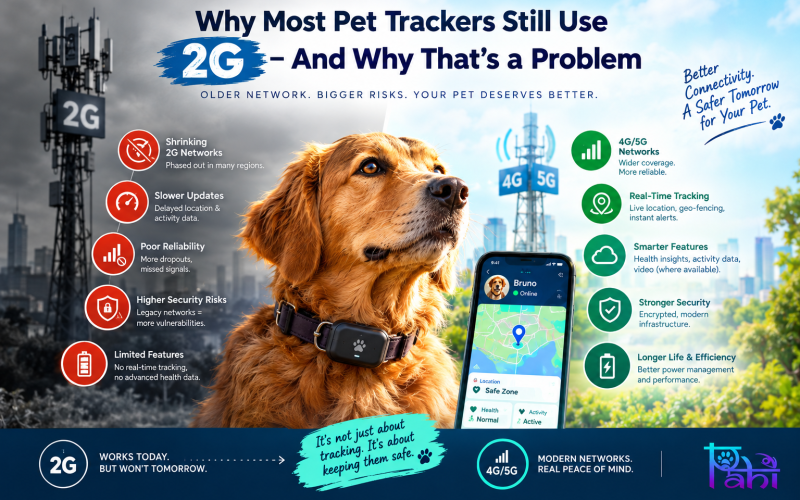
Most bargain trackers aren’t actually independent devices — they’re rented access to someone else’s cellular network, and that access can be revoked whenever the business decides it’s not worth running. SyncUp Pets is only the latest casualty; T-Mobile also killed off its 2G network years ago, and plenty of older “budget” trackers that quietly relied on 2G or 3G chips simply stopped reporting locations the moment those networks switched off, no matter how fresh the battery was.
The Hidden Costs Nobody Puts On the Box
“No monthly fee” is doing a lot of marketing work on cheap tracker packaging. In practice, a lot of those devices ship with only 6–12 months of pre-paid cellular data baked into the price — after that, you’re signing up for the subscription anyway, just a year later and with less leverage to shop around. Add in “free” devices with hidden activation fees, and the sticker price starts looking more like a down payment.
What Actually Breaks First
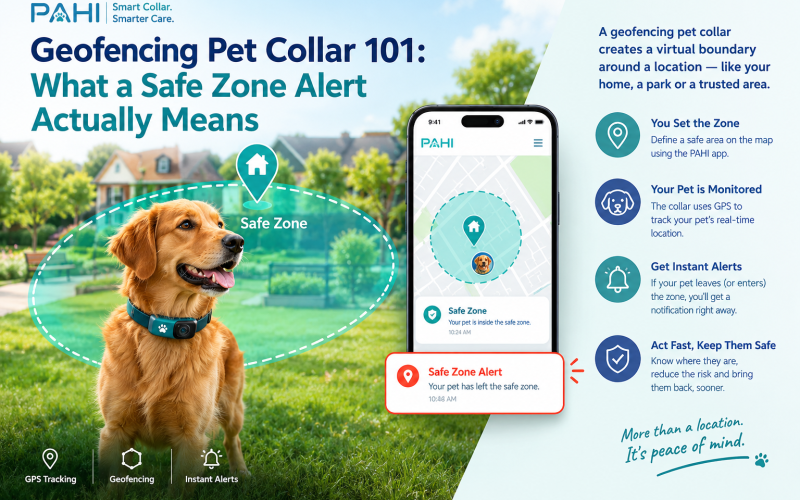
Even when the network stays up, accuracy quietly falls apart. GPS trackers can hit under 5 metres of accuracy — but only under open sky. Tuck your dog behind a building, under tree cover, or anywhere near a basement or metal fence, and that number balloons fast. Battery specs have the same problem: the “up to X days” on the box assumes the lowest reporting frequency, so the moment your pet actually runs off and you switch to live tracking, that battery life can collapse to a fraction of the claim — right when you need it most.
What’s Actually Worth Paying For
None of this means every budget tracker is a scam — it means the real question isn’t the price tag, it’s who controls the network, how the battery claim was measured, and whether the chassis can survive being chewed, soaked, or yanked through a hedge. That’s the thinking behind PAHI’s hollow-belt design and titanium anti-cut weave: durability built into the hardware itself, not borrowed from a network that might not be around next year.