Why Does My Dog Lick Everything (And When It’s a Problem)
 PAHI Care Team
·
September 5, 2026
·
3 min read
PAHI Care Team
·
September 5, 2026
·
3 min read
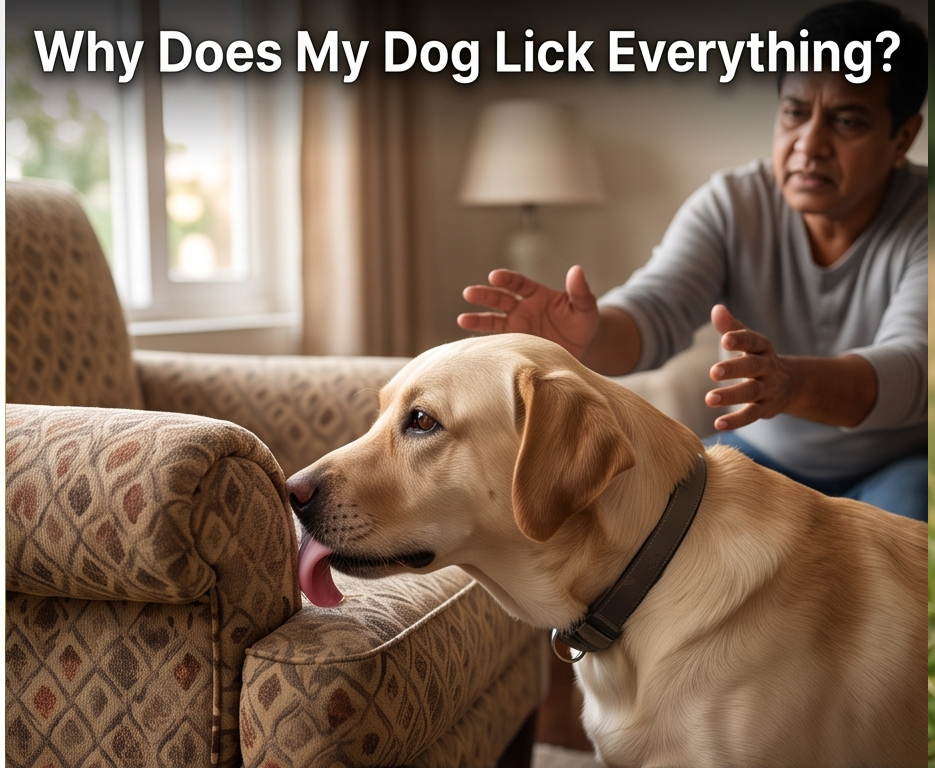
If your couch cushions, your hands, and the living room floor all have a thin layer of dog spit on them by 9am, you already know the drill. But when does normal excessive licking in dogs cross the line from “quirky habit” into “something’s actually wrong”? Here’s how to tell the difference — and what to do about it.
Why Dogs Lick Everything in the First Place
Licking is one of the first things puppies ever learn to do, and it never really stops mattering to them. Dogs lick people because we taste faintly salty (hello, sweat) and because it’s an easy way to say “I like you.” They lick furniture and floors to mop up crumbs you didn’t know you dropped. They lick the air when they smell dinner coming. And they lick their own paws and coat as basic grooming — completely normal, right up until it isn’t.
When Excessive Licking in Dogs Stops Being Cute
A few licks here and there is just a dog being a dog. It becomes a problem when it’s constant, focused on one spot, or paired with other changes. Watch for licking that leaves a bald patch, red skin, or a wet, matted area (often a paw or flank); air-licking or lip-licking with no food around, which can point to nausea, dental pain, or in rarer cases a neurological issue; and licking one joint or area over and over, which sometimes signals arthritis or an old injury flaring up. Allergies — environmental, food, or flea-related — are one of the single biggest medical drivers of overgrooming in dogs, according to veterinary sources like PetMD.
Boredom and Anxiety Play a Role Too
Not every case is medical. Dogs left alone for long stretches, or ones going through a stressful change (new home, new baby, a move), often lick compulsively as a self-soothing habit — the canine version of nail-biting. The tricky part is that behavioral licking and medical licking can look identical from the couch, which is exactly why guessing isn’t a great long-term plan.
The Rule of Thumb Vets Actually Use
If licking has gone on for more than a few days, has caused any skin damage, or shows up alongside lethargy, appetite changes, or vomiting, it’s time for an actual vet visit rather than a Google spiral. Left unchecked, obsessive licking can lead to secondary skin infections that are far more annoying (and expensive) to treat than the root cause ever was.
Catching Patterns Before They Become Problems
The honest truth is most pet parents don’t notice a licking habit until it’s already left a mark — literally. This is where having something that tracks your dog’s day-to-day behavior helps more than another symptom checklist. PAHI’s smart collar pairs GPS location with Pet’s Eye, an HD point-of-view camera, and Dotty AI, which is built to flag unusual behavior patterns — including repetitive licking or grooming — earlier than most owners would catch it on their own. It’s not a replacement for your vet, but it’s a much better early warning system than “wait and see.”
Bottom line: a little licking is love. A lot of licking, especially if it’s aimed at one spot, is your dog’s way of asking for help — so it’s worth actually listening.